

Producing weekly video content — script, voiceover, visuals, editing — has taught me a lot about what actually sustains a content pipeline long-term. Podcasting runs on similar principles. Here’s what actually works, not the generic version.
Monetization Methods That Actually Work
Sponsorships and advertising are the most talked-about methods, but they require a real, engaged audience first — sponsors want proof of listenership, not just an idea. Don’t expect to land these before you’ve built consistent episodes and real download numbers.
Listener donations (Patreon, Ko-fi, Buy Me a Coffee) work well for audiences that are already genuinely engaged — this is often more accessible early on than sponsorships, since it doesn’t require outside validation, just real listener loyalty.
Patreon specifically supports Payoneer payouts for creators outside the US — genuinely accessible from Pakistan, worth knowing since payment access questions come up constantly with international platforms.
Subscription content (bonus episodes, ad-free listening) works once you have a loyal enough base that some percentage will pay for more — this rarely works as a starting monetization method, more something to add once you have real traction.
Merchandise can add real revenue but needs genuine brand recognition first — selling branded items to an audience of 50 listeners isn’t worth the setup effort; this makes more sense once you have real community size.
Affiliate marketing works when you’re genuinely recommending things relevant to your show’s actual topic — integrated naturally into conversation or show notes, not as a forced ad read that breaks the show’s flow.
Real Equipment — Without Overspending Early
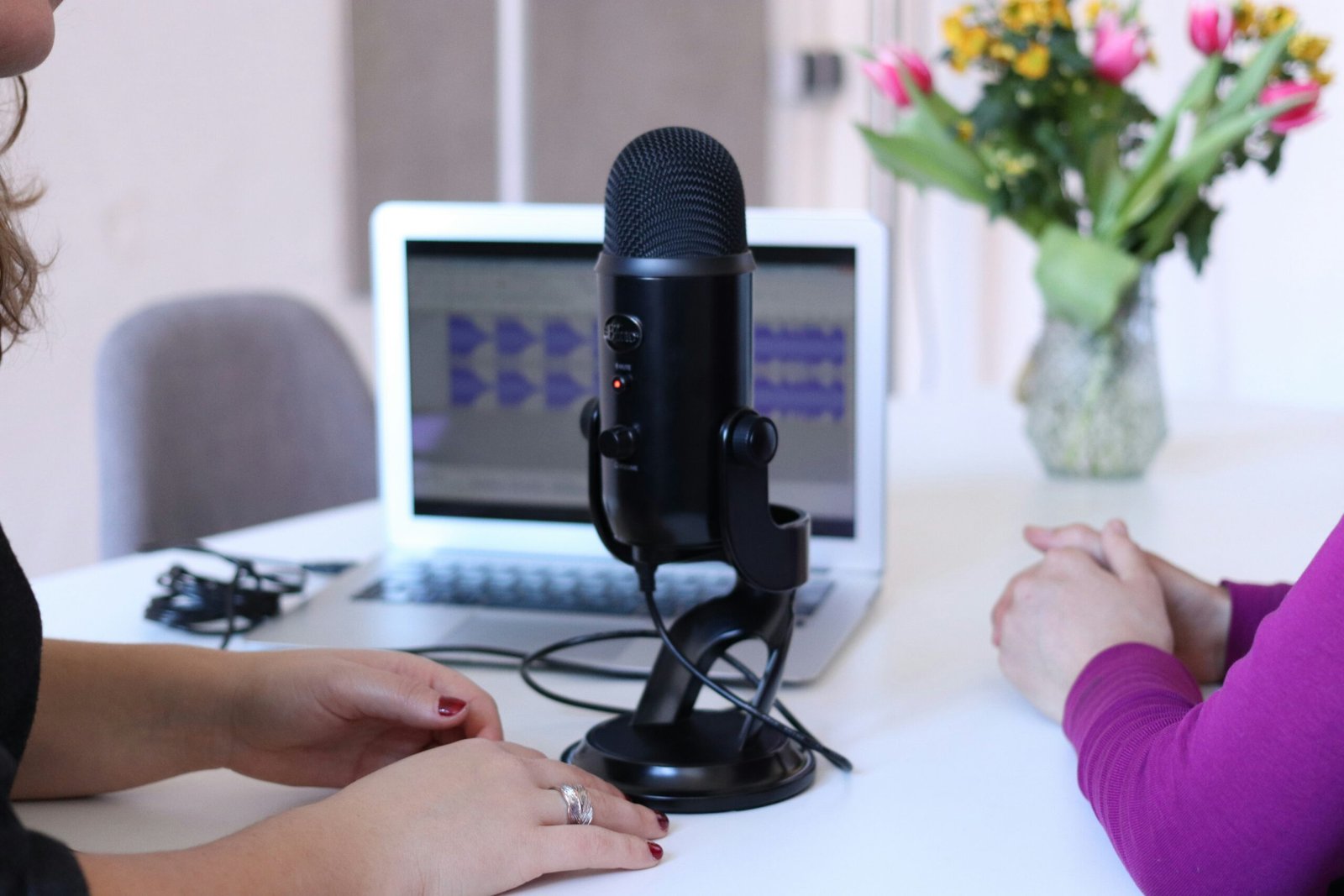
Start with a decent USB microphone, not a full studio setup. Audio-Technica ATR2100x or similar covers real quality needs for a starting podcast — you don’t need a $500 microphone before you’ve published a single episode.
Recording software: Audacity is free and genuinely capable for editing a podcast to a professional standard. Paid tools like Adobe Audition make sense once you’re producing enough volume that efficiency gains justify the cost, not before.
Upgrade gear as the show actually grows, not upfront based on what you imagine you’ll need. Spending heavily before proving you’ll actually stick with weekly production is a common, avoidable mistake.
Building a Real, Engaged Audience
Consistency matters more than perfect production. A weekly show with decent audio beats a monthly show with perfect audio — listeners build a habit around your release schedule, and breaking that habit repeatedly costs you more than minor audio imperfections do.
Real engagement — responding to listener comments, actually reading feedback — builds the loyalty that eventually converts to donations or sponsorship-worthy numbers. This is often skipped by creators focused purely on episode output.
Niche focus attracts a real, specific audience that’s more valuable to sponsors than a large but unfocused one. A niche podcast with 2,000 genuinely engaged listeners can land better sponsorship deals than a generic one with 10,000 passive downloads.
Creating Content That Actually Holds Attention
Know your specific niche well enough to go deep, not just broad. Generic topics compete with thousands of similar shows; a specific angle within a niche gives you a real reason to exist in a crowded space.
Real storytelling and genuine authenticity matter more than polish. Listeners can tell when a host is being real versus performing — authenticity is genuinely harder to fake convincingly than people assume, and audiences increasingly notice the difference.
Vary episode formats — solo episodes, interviews, panel discussions — to keep the show from feeling repetitive over dozens of episodes, while still maintaining a consistent core identity listeners recognize.
Marketing — What Actually Moves Numbers
Basic podcast SEO genuinely helps — a clear title and description with real, relevant keywords, plus transcribing episodes into blog content (which also builds your website’s SEO, doubling the value of work you’ve already done).
Social media promotion works best when it shows real value, not just “new episode out now.” A genuinely interesting clip or quote from the episode gets more engagement than a bare announcement.
Cross-promotion with other podcasts in your niche is genuinely effective — guest appearances on each other’s shows tap into an already-relevant audience, rather than cold marketing to strangers.
Tracking What Actually Matters
Download numbers and completion rate tell the real story — high downloads with low completion means your hook or content isn’t holding attention, a different problem than low downloads with high completion (which is a discovery problem, not a content problem).
Spotify for Podcasters and Apple Podcasts both offer real, free analytics — enough for most creators starting out, before considering paid tools like Chartable or Podtrac.
Bottom Line
Podcast monetization genuinely rewards consistency and real audience engagement over production polish or chasing every monetization method at once. Start with what’s actually accessible early — Patreon-style listener support works from Pakistan via Payoneer — and build toward sponsorships once you have real, demonstrable numbers to show. Niche focus and genuine authenticity build the loyal audience that everything else depends on.